Reuniting with its former supplier marks a decisive shift away from outsourcing and reflects Boeing’s efforts to rebuild trust after years of safety crises.
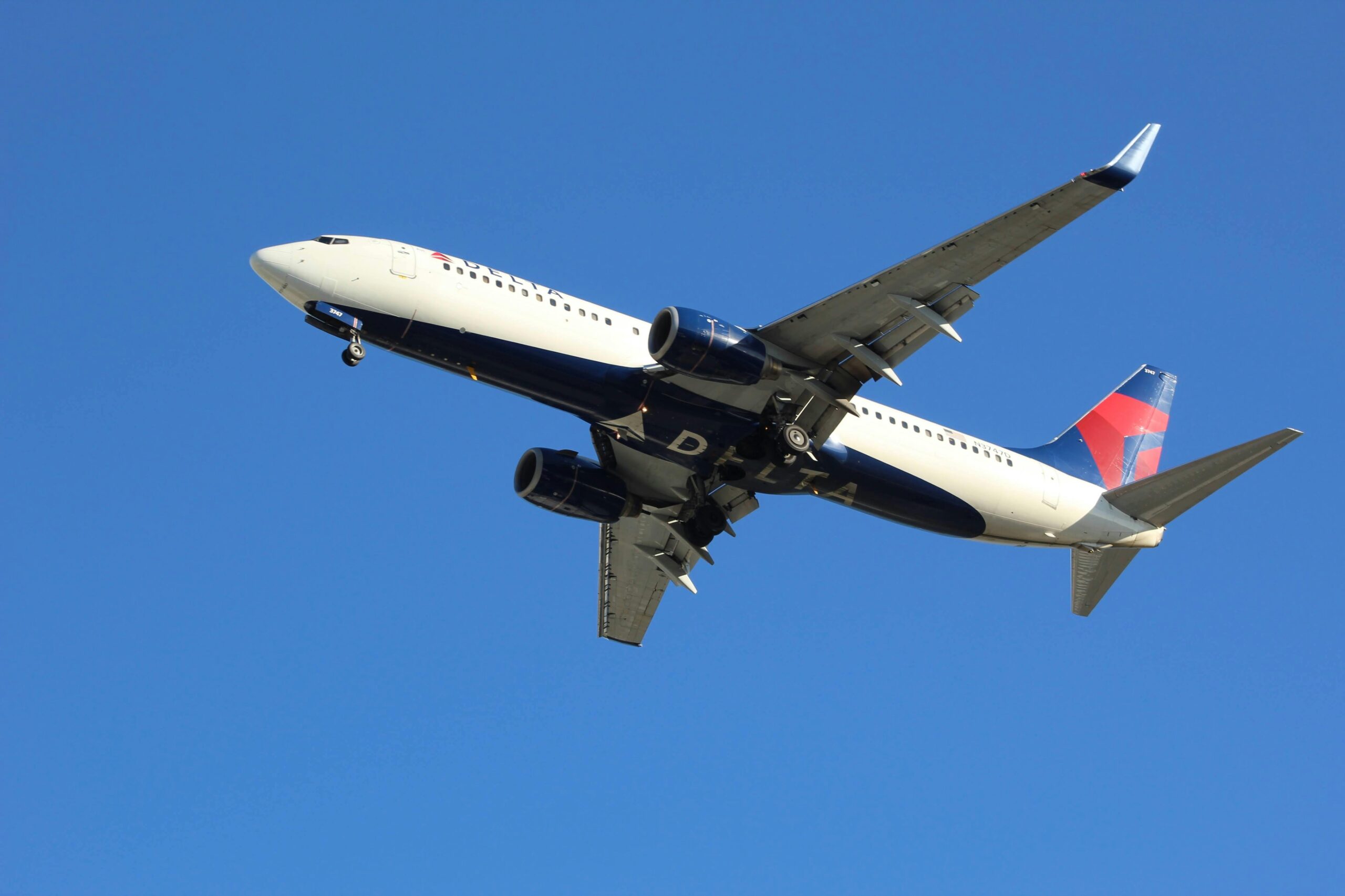
Boeing (BA) announced Monday that it has finalized its long-anticipated $4.7 billion acquisition of Spirit AeroSystems, the supplier responsible for manufacturing fuselages for its 737 Max aircraft—including the Alaska Airlines jet involved in last year’s high-profile door-panel blowout. The deal, valued at approximately $8.3 billion when accounting for debt, brings Spirit back under Boeing’s control nearly two decades after it was spun off in 2005.
CEO Kelly Ortberg called the acquisition a “pivotal moment” for the aerospace giant, emphasizing Boeing’s focus on restoring stability, improving quality, and strengthening safety across its commercial and defense programs. “As we welcome our new teammates and bring our two companies together, our focus is on maintaining stability so we can continue delivering high-quality airplanes, differentiated services, and advanced defense capabilities,” Ortberg said.
The decision to bring Spirit back in-house marks a significant reversal of Boeing’s longstanding strategy of outsourcing major aircraft components—a model that has drawn increasing scrutiny following repeated manufacturing issues. Spirit’s production lapses have disrupted deliveries of Boeing’s most in-demand jets, including the 737 Max and 787 Dreamliner. The relationship came under intense spotlight in early 2024 when a door-panel plug detached mid-flight from an Alaska Airlines 737 Max, leaving a hole in the cabin wall at 16,000 feet. While no serious injuries occurred, investigators later revealed that four essential bolts had been omitted during repair work at a Boeing facility.
The incident rekindled broader concerns over Boeing’s safety oversight, which has remained under pressure since the deadly 2018 and 2019 Max crashes that killed 346 people. Boeing resolved the related criminal charge just last month, agreeing to pay and invest $1.1 billion in penalties, compensation, and internal safety measures as part of a Justice Department settlement.
By reintegrating Spirit, Boeing aims to gain tighter control over its supply chain and improve manufacturing rigor as it attempts to restore customer confidence. Investors appeared encouraged, with Boeing shares rising roughly 2% following the announcement. The company now faces the challenge of executing a smooth integration while meeting its broader commitments to enhanced quality and transparency across all programs.
You might like this article:Structure Therapeutics Reports Breakthrough Weight-Loss Results for Oral GLP-1 Candidate Aleniglipron