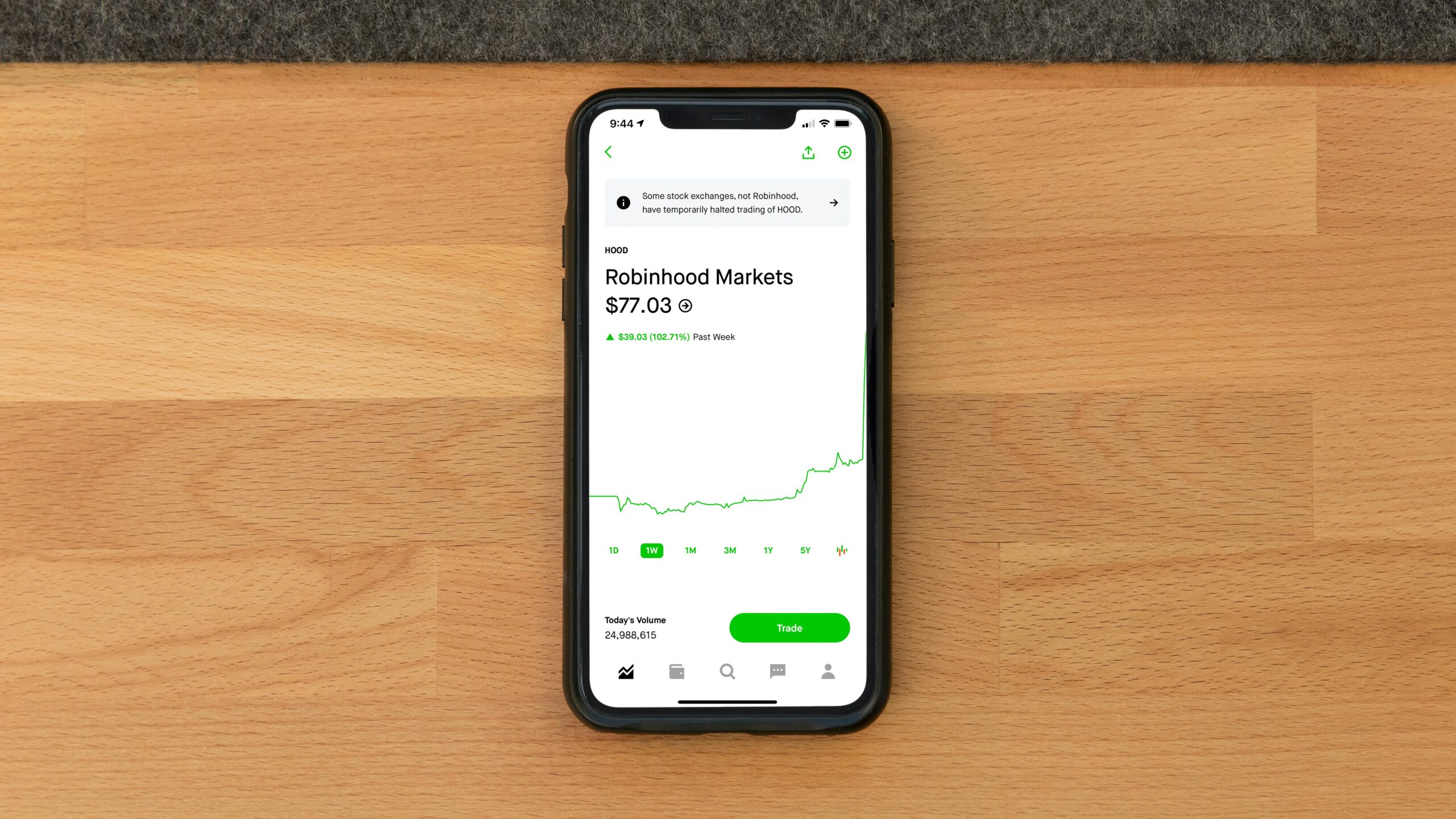
Retail trading platforms may benefit from volatility and expanding product ecosystems
As the cryptocurrency market experiences renewed volatility and price declines, retail trading platforms like Robinhood and Webull could be strategically positioned to benefit over the long term.
Crypto downturns often trigger short-term pressure on trading volumes, particularly among retail investors who are sensitive to rapid price swings. However, periods of market stress can also create heightened engagement, as traders reposition portfolios, hedge risk, or take advantage of discounted asset prices. Historically, volatility — rather than steady price appreciation — has been a key driver of transaction-based revenue for brokerage platforms.
Robinhood (HOOD) has significantly diversified beyond its early reliance on meme stocks and crypto trading. The company now generates revenue from options trading, equities, cash management, retirement accounts, and interest income from client balances. Its expanding product ecosystem reduces dependence on any single asset class, including cryptocurrencies. Additionally, Robinhood’s focus on international expansion and enhanced platform features strengthens its long-term growth profile.
Webull (BULL), meanwhile, has built a loyal user base through advanced charting tools, extended trading hours, and competitive pricing. As retail participation in markets matures, platforms that offer sophisticated tools alongside user-friendly interfaces may retain engagement even during crypto downturns.
Importantly, crypto market pullbacks do not eliminate long-term adoption trends. Institutional involvement, regulatory clarity, and broader blockchain integration continue to evolve. When sentiment stabilizes, platforms like Robinhood and Webull are well positioned to capture renewed interest without having to rebuild infrastructure.
Moreover, both companies benefit from rising interest rates on customer cash balances and margin lending activity, which can offset softer crypto trading volumes.
While near-term revenue may fluctuate with crypto sentiment, the broader retail investing ecosystem remains intact. For Robinhood and Webull, market downturns may represent consolidation phases rather than structural setbacks, potentially setting the stage for stronger engagement when risk appetite returns.
You might like this article:Robinhood Shares Slide After Revenue Miss Dampens Record Year