Project Leo expands into aviation as competition with Starlink intensifies
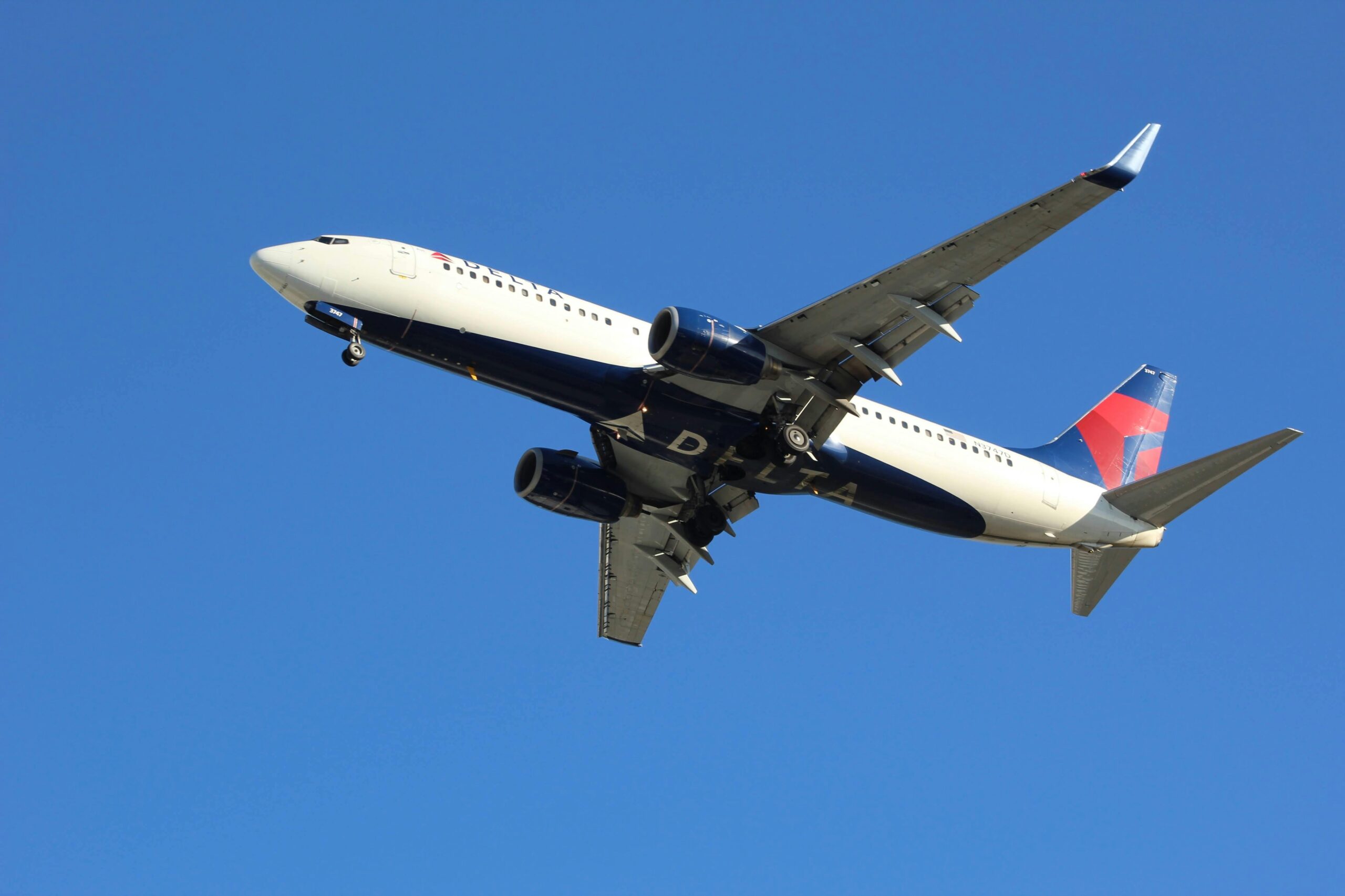
Amazon (AMZN) is accelerating its ambitions in satellite internet with a major new agreement between its Project Leo unit and Delta Airlines. The deal will bring high-speed in-flight Wi-Fi to 500 Delta aircraft starting in 2028, marking Amazon’s second significant airline partnership as it pushes to compete with SpaceX’s Starlink.
The agreement underscores growing demand among airlines for faster, more reliable connectivity powered by low-Earth orbit (LEO) satellite constellations. Compared to traditional systems, LEO networks offer reduced latency and improved performance, making them increasingly attractive for in-flight services. Delta’s decision to partner with Amazon was influenced in part by its existing relationship with Amazon Web Services, highlighting the strategic value of ecosystem integration.
Project Leo remains in its early stages compared to Starlink, which has already deployed more than 10,000 satellites globally. However, Amazon is moving aggressively, having launched over 200 satellites since 2025 and planning to significantly accelerate deployment with more than 20 launches in the next year. The company has committed at least $10 billion to building out the network, positioning Leo as a long-term competitor in the global connectivity market.
The Delta partnership follows Amazon’s earlier deal with JetBlue Airways, signaling growing traction within the aviation industry. At the same time, Starlink continues to expand its footprint, securing agreements with carriers such as United Airlines, Alaska Airlines, and Southwest Airlines.
Despite its slower rollout, Amazon is nearing commercial launch, with initial services expected to begin in select regions before scaling globally. The company’s challenge will be to close the gap with Starlink while meeting regulatory deadlines and deployment targets.
As competition intensifies, the battle for in-flight connectivity is shaping up as a key front in the broader satellite internet race—one where Amazon is betting heavily on scale, partnerships, and its broader technology ecosystem to win.
You might like this article: Micron Slides Despite Strong Demand as Market Reassesses AI Trade